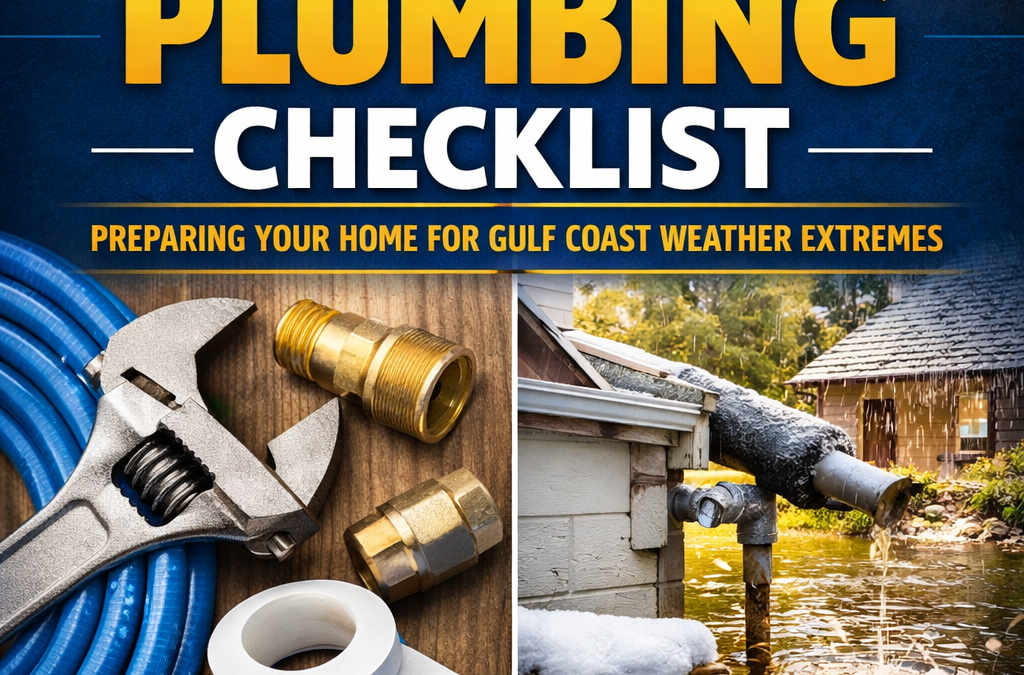
Living along the Gulf Coast has its perks—warm weather, coastal breezes, and mild winters—but it also brings unique plumbing challenges. High humidity, heavy rainfall, tropical storms, salt air, and occasional cold snaps can all take a toll on your home’s plumbing system if you’re not prepared.
A seasonal plumbing checklist is one of the easiest ways to protect your home, avoid costly repairs, and extend the life of your pipes, fixtures, and appliances. In this guide, we’ll walk through season-by-season plumbing maintenance tips designed specifically for Gulf Coast homeowners, so you can stay ahead of the weather year-round.
If you ever need professional help, the licensed experts at Walley Plumbing Company are here to keep your plumbing running safely and efficiently.
Why Seasonal Plumbing Maintenance Matters on the Gulf Coast
Unlike colder regions that focus mainly on frozen pipes, Gulf Coast plumbing faces different threats:
-
Excess moisture and humidity
-
Heavy rain and flooding
-
Tree root intrusion
-
Salt-air corrosion
-
Sudden temperature drops during winter cold snaps
Neglecting routine maintenance can lead to leaks, backups, water damage, mold growth, and higher utility bills. Seasonal checkups help catch small issues before they turn into major emergencies.
Spring Plumbing Checklist: Recovering From Winter & Preparing for Storms
Spring is the ideal time to inspect your plumbing system after winter and prepare for the upcoming rainy season.
1. Check for Hidden Leaks
Even mild winter temperatures can stress pipes. Look for:
-
Damp spots on walls or ceilings
-
Unexplained increases in water bills
-
Mold or mildew smells
Fixing leaks early helps prevent long-term water damage and mold growth, which thrives in Gulf Coast humidity.
If you suspect a hidden leak, professional plumbing repair services can help identify and fix the issue before it worsens.
2. Inspect Outdoor Plumbing Fixtures
Check outdoor faucets, hose bibs, and sprinkler systems for cracks or leaks. Replace worn washers or damaged fixtures before daily use increases in warmer weather.
3. Schedule a Drain Inspection
Spring rains can overload sewer systems. A professional inspection or cleaning helps prevent slow drains and backups. If you’ve noticed recurring clogs, consider scheduling professional drain cleaning to keep water flowing properly.
4. Test Your Sump Pump (If Applicable)
If your home has a sump pump, pour water into the pit to ensure it activates properly. A failing sump pump during a storm can lead to serious flooding and water damage.
Summer Plumbing Checklist: Battling Heat, Humidity & Heavy Water Use
Summer brings intense heat, frequent storms, and higher water usage from showers, laundry, and outdoor watering.
1. Watch for Corrosion
Salt air and humidity can accelerate corrosion on exposed pipes, especially in coastal areas. Look for:
-
Discolored or flaking pipes
-
Rust around fittings
-
Reduced water pressure
If corrosion is present, a licensed plumber can assess whether pipe repair or replacement is needed to prevent leaks.
2. Maintain Your Water Heater
Your water heater works year-round—even in summer. Flushing the tank removes sediment buildup and improves efficiency. According to the U.S. Department of Energy, routine maintenance can reduce energy costs and extend your system’s lifespan.
🔗 https://www.energy.gov/energysaver/water-heating
If your system struggles to keep up with demand, water heater services can help restore performance.
3. Check Washing Machine Hoses
Rubber hoses can crack under constant pressure and heat. Replace older hoses with braided stainless steel lines to prevent sudden bursts and flooding.
4. Prepare for Summer Storms
Heavy rainfall can overwhelm sewer lines. Avoid flushing wipes, paper towels, or grease, as these increase the risk of sewer backups during storms.
Fall Plumbing Checklist: Preparing for Cooler Weather & Hurricane Season’s End
Fall is about prevention and preparation before temperatures drop—even slightly.
1. Clean Gutters and Downspouts
Clogged gutters can cause water to pool near your foundation, increasing pressure on underground pipes and drainage systems.
2. Inspect Sewer Lines for Root Intrusion
Tree roots often invade sewer lines in search of moisture. If left untreated, this can lead to severe blockages or pipe damage. A professional sewer line inspection or repair can identify and resolve these issues early.
3. Test Shut-Off Valves
Make sure your main water shut-off valve is easy to access and fully operational. In an emergency, shutting off water quickly can prevent extensive damage.
4. Insulate Exposed Pipes
Pipes in crawl spaces, garages, and exterior walls are vulnerable during sudden cold snaps. Pipe insulation is a simple and affordable way to reduce freezing risks.
Winter Plumbing Checklist: Protecting Against Cold Snaps
Although Gulf Coast winters are usually mild, unexpected freezes can still cause serious plumbing problems.
1. Drip Faucets During Freezing Weather
Allowing faucets to drip slightly helps relieve pressure and reduces the chance of frozen or burst pipes.
2. Disconnect Outdoor Hoses
Leaving hoses connected can trap water inside outdoor faucets, increasing the risk of cracks during freezing temperatures.
3. Keep Indoor Temperatures Consistent
Even when traveling, keep your thermostat set to a steady temperature to prevent interior pipes from freezing.
4. Know the Signs of Frozen Pipes
Call a professional plumber if you notice:
-
Reduced or no water flow
-
Frost on visible pipes
-
Unusual odors from drains
Attempting to thaw pipes incorrectly can cause them to burst and lead to costly water damage.
Year-Round Plumbing Tips for Gulf Coast Homes
-
Monitor water pressure to prevent pipe strain
-
Avoid chemical drain cleaners that can damage pipes
-
Schedule annual professional plumbing inspections
According to the EPA, fixing household leaks can save nearly 10% on annual water bills.
🔗 https://www.epa.gov/watersense/fix-leak-week
Routine maintenance and professional service help ensure your plumbing system stays reliable year-round.
When to Call Walley Plumbing Company
Seasonal maintenance is important, but some issues require expert attention. Contact Walley Plumbing Company if you experience:
-
Persistent clogs or slow drains
-
Water heater issues
-
Sewer odors or backups
-
Low or fluctuating water pressure
-
Suspected leaks or pipe corrosion
Our team understands the specific plumbing challenges faced by Gulf Coast homeowners and provides dependable, professional service you can trust.